Art Sets for Sale: A Curator’s Guide for UK Interiors
The Principles of a Cohesive Fine Art Collection
A well-chosen set of artworks does more than simply decorate a room; it creates a dialogue, establishes a mood and transforms a space into a personal gallery. While a single statement piece can define an area, a curated collection of fine art photography offers a unique opportunity to build a visual narrative. The aim is to achieve a sense of harmony in which each piece contributes to a greater whole, creating an experience that feels both sophisticated and intentional.
This approach differs from a more eclectic gallery wall, where artworks may come from multiple artists, periods or visual traditions. Instead of a collection of disconnected images, a thoughtfully curated art set is unified by a shared aesthetic, theme or feeling. The works exist in conversation with one another, guiding the eye through the space and inviting contemplation.
For collectors who prefer this kind of visual continuity, ZZGALLERY offers a dedicated collection of fine art diptychs, triptychs and coordinated art sets designed to work together within residential, hospitality and wellness interiors.
Establishing a Visual Theme
The foundation of any cohesive art set is a unifying visual thread. This common element can take many forms, allowing for creative freedom whilst maintaining a sense of order.
One of the simplest approaches is to select works that share a dominant colour palette. A series of prints featuring warm, luminous tones can introduce visual softness and continuity, while a collection built around deep contrasting shadows can create a more dramatic and introspective atmosphere.
Another effective strategy is to choose pieces with a common subject matter or compositional language. Portraits, figurative works or images that share a similar treatment of light, texture and negative space will naturally relate to one another. Tate defines composition as the arrangement of elements within a work of art—an important principle when considering not only an individual photograph but also the relationship between several works displayed together.
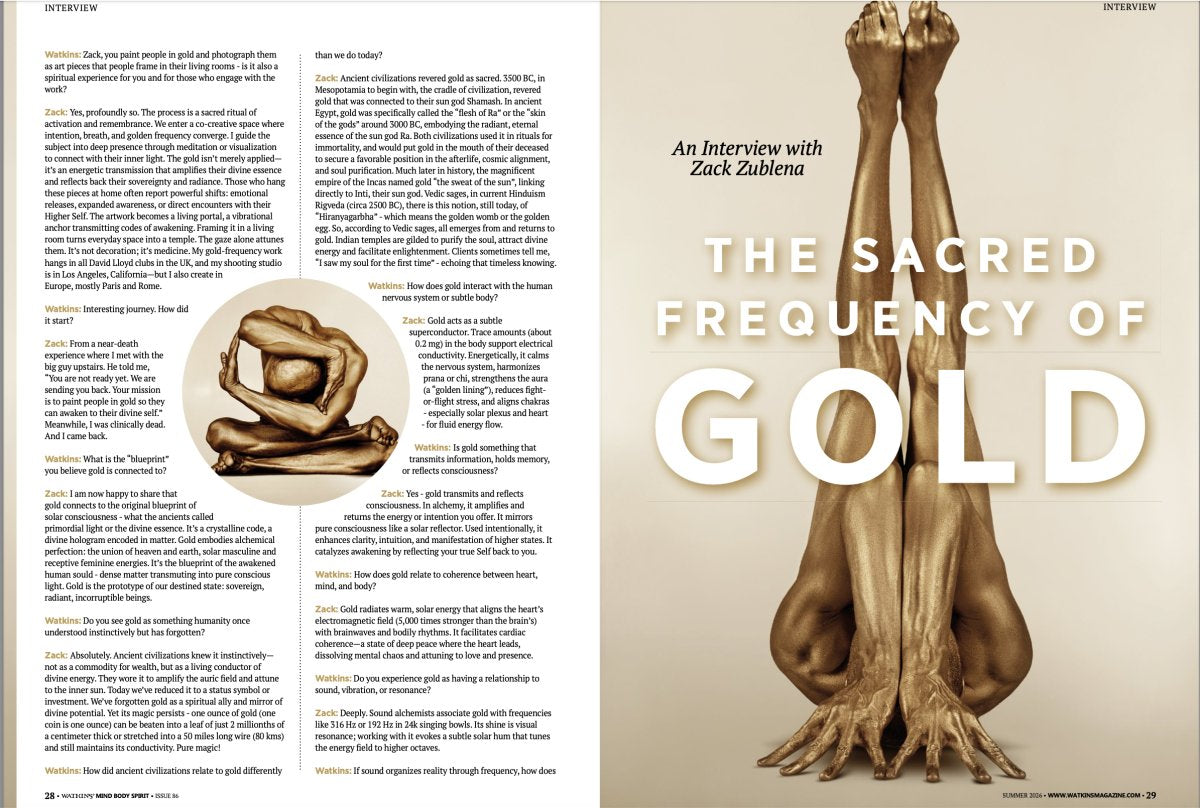
The collections at ZZGALLERY demonstrate this principle clearly, with each photographic series connected by Zack Zublena’s distinct approach to the human form, light and gold.
The Impact of Scale and Arrangement
Once you have selected the artworks, their physical arrangement becomes crucial to their collective impact. Before hanging a group, consider the architecture of the room, including wall dimensions, ceiling height, furniture placement and the principal sightlines through the space.
A large open wall can accommodate a grid of several medium-sized pieces or a substantial central photograph accompanied by smaller works. By contrast, a narrow corridor or intimate alcove may be better suited to a vertical arrangement of two or three prints.
Symmetrical arrangements, such as a grid or horizontal sequence of identically sized frames, create a sense of balance and visual order. This approach can work particularly well in dining rooms, entrance halls, hotel reception areas and professional interiors.
For a less formal result, an asymmetrical arrangement can introduce movement while remaining cohesive. Whichever approach you choose, allow sufficient breathing room between the works. Thoughtful spacing enables each photograph to retain its individual presence whilst contributing to the larger composition.
A Practical Guide to Selecting and Combining Artworks
When considering art sets for sale or assembling your own grouping, begin by defining the purpose and atmosphere of the space. Are you designing a tranquil room for rest and reflection, a social environment for entertaining guests, a hotel or wellness interior, or a focused professional setting?
The atmosphere you wish to create should guide the selection process, helping you choose pieces that complement the architecture and furnishings while establishing a clear visual identity.
Fine art photography is particularly versatile for this purpose because it can combine precise detail, tonal depth and a strong artistic point of view. The Victoria and Albert Museum’s photography collection reflects the breadth and long history of photography as an artistic medium, from its nineteenth-century origins through contemporary practice.
When selecting photographic prints for your own collection, consult the individual artwork pages for confirmed information on available dimensions, materials and formats so that the finished installation suits the specific requirements of your project.
Curating from a Single Collection
Drawing several artworks from a single established collection is one of the most direct routes to visual harmony. An artist generally develops a collection around a central theme, aesthetic or conceptual language, meaning that individual works already share relationships of colour, tone, lighting or composition.
For instance, the Golden Souls Collection is characterised by luminous gold-painted figures and sculptural compositions, making it particularly suited to interiors where warmth, presence and visual continuity are desired.
Other collections explore deeper backgrounds, stronger contrast or different treatments of the figure. Selecting two or three related works allows the visual language to continue across a wall or through adjoining rooms without requiring every image to be identical.
Mixing Artworks from Different Collections
Combining pieces from different collections offers an opportunity to create a more layered and personal narrative, but it requires a discerning eye. The key is to identify a common element that connects otherwise distinct works.
This could be a recurring accent colour, a similarity in scale, a shared treatment of the human form or a complementary relationship between light and shadow.
For example, a figurative piece from the Holy Collection might be paired with another work that shares its graceful composition, tonal palette or use of gold. The objective is to create a visual bridge between the photographs, allowing them to strengthen one another rather than compete for attention.
To compare the different series and identify potential combinations, you can explore the ZZGALLERY collections.
Finalising Your Curation: Framing, Lighting and Placement
The final presentation can transform a group of individual artworks into a considered installation. Framing, lighting and placement all contribute to the relationship between the photographs, the architecture and the viewer.
The Role of Framing
Frames serve both a practical and visual purpose. They protect the artwork whilst helping integrate it into the surrounding interior. Every frame within a set does not necessarily need to be identical, but maintaining a relationship in material, profile or finish generally helps preserve visual coherence.
For contemporary interiors, simple gallery frames in black, white or natural wood can allow the photographs themselves to remain the principal focus. In more traditional or eclectic interiors, a more detailed frame may be appropriate, provided the group retains enough consistency to be perceived as a deliberate collection.
A cohesive framing strategy is particularly useful when several photographs are displayed together because it gives the eye a repeated visual structure through which to read the installation.
Illuminating Your Collection
Lighting is one of the most important practical considerations when displaying photographic art. Good illumination can reveal colour, detail and tonal variation, but excessive exposure can also contribute to deterioration over time.
The UK’s Institute of Conservation recommends keeping exposure to light to a minimum and avoiding direct or intense light when caring for photographs. For a private home, hotel, spa or professional interior, this means considering how natural daylight moves through the room before deciding exactly where a print should be displayed.
For artificial illumination, adjustable ceiling or track lighting can provide controlled emphasis on individual works. Picture lights can create a more traditional presentation, while carefully positioned ambient lighting can provide a softer viewing environment.
The aim is not simply to make the artwork brighter, but to allow the tonal relationships and sculptural character of the photograph to remain visible without overwhelming the print with glare or unnecessarily intense illumination.
A Note on the Artist’s Vision
Ultimately, curating a fine art collection is about connecting with an artist’s visual language and incorporating that vision into the spaces in which you live or work.
Zack Zublena’s fine art photography has been selected for interiors internationally, including installations in more than 120 David Lloyd Clubs throughout the United Kingdom and continental Europe. This extensive project illustrates how a consistent body of photographic work can create continuity across numerous wellness and fitness environments.
David Lloyd Clubs describes itself as Europe’s leading premium health and wellness group and currently operates clubs throughout the United Kingdom and several European countries. Its emphasis on fitness, wellness, spa and social environments makes the placement of Zack Zublena’s photographic work particularly relevant when considering art for contemporary wellness interiors.
Building Your Own Fine Art Set
Whether you begin with a diptych, triptych or a larger group of photographs, a successful collection does not require every work to look the same. What matters is that the pieces share enough visual or conceptual language to create a deliberate relationship.
Start with one work that strongly resonates with you, then consider which additional photographs extend its colour palette, movement, mood or composition. Over time, the result can become a collection that feels personal while remaining visually coherent.
For collectors, interior designers and wellness or hospitality professionals, you can begin by exploring ZZGALLERY’s Gold Fine Art Diptychs and Triptychs.
For those seeking a completely personal work, ZZGALLERY also offers the Gold Body Painting and Fine Art Photography Experience, a separate bespoke service in which the participant becomes the subject of a unique photographic artwork.
To discuss an individual interior, professional project or selection of works, please contact ZZGALLERY.