Artículo: Art for Large Walls in Aspen: Fine Art Photography for Mountain Homes
Art for Large Walls in Aspen: Fine Art Photography for Mountain Homes

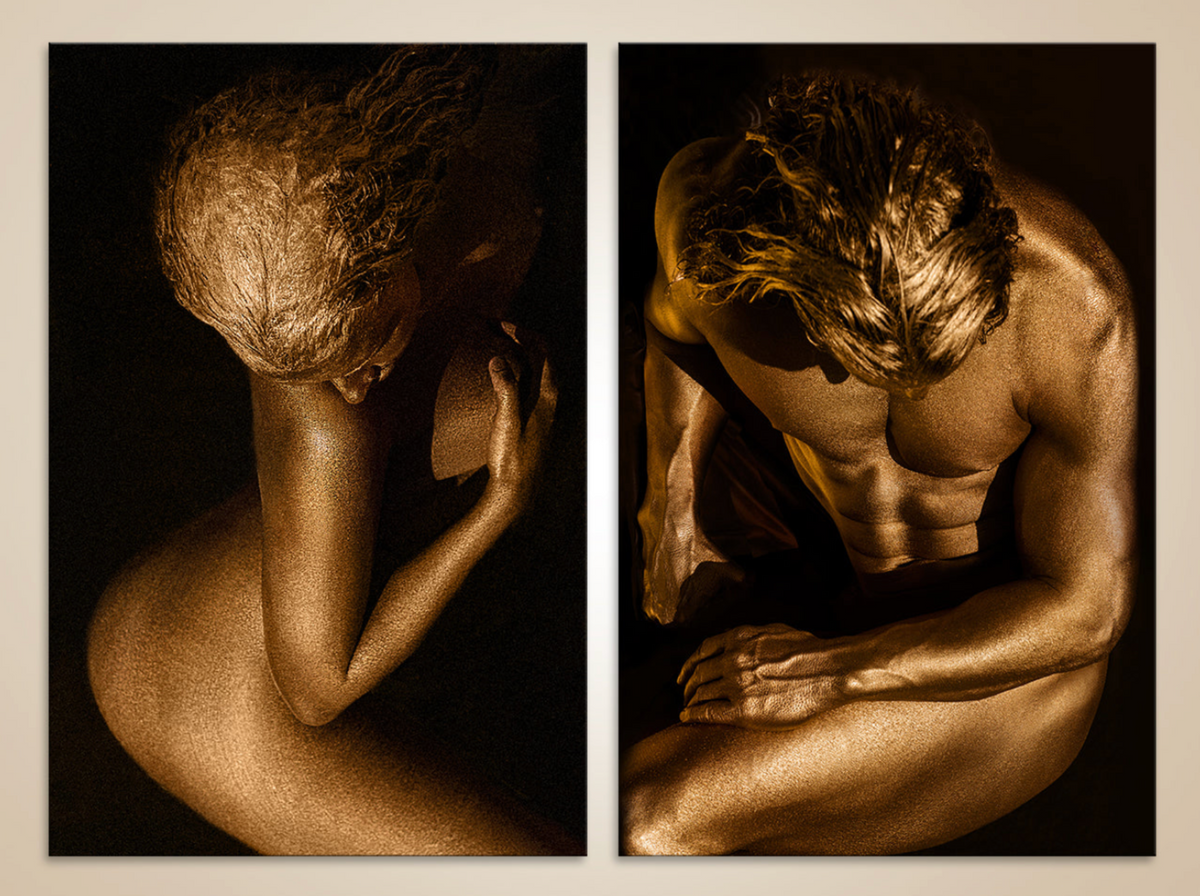
Golden Couple Diptych by Zack Zublena. Two independent compositions create a shared rhythm through golden tones, contemplative gestures, and dark backgrounds. Discover the artwork.
In an Aspen home, a large wall rarely exists in isolation. It may sit beside a window framing the mountains, rise beneath a timber ceiling, or connect a stone fireplace with an open living area. Choosing artwork for that wall means considering the landscape, the architecture, and the atmosphere you want to experience indoors.
A West End residence, a contemporary home on Red Mountain, and a retreat in nearby Snowmass Village can offer very different settings for photography. One may call for a quiet vertical composition; another may benefit from a diptych or triptych that establishes a rhythm across a broad wall.
Aspen also offers a cultural context that extends well beyond its ski slopes. The Aspen Chamber’s arts and culture guide introduces the area’s galleries, museums, and cultural venues. For homeowners, collectors, and interior designers, that connection between mountain life and artistic engagement provides a meaningful starting point for choosing work to live with.
Zack Zublena’s gold figurative fine art photography introduces a luminous human presence into these interiors. The goal is to choose a photograph that holds attention without overwhelming the room or competing with everything beyond the windows.
Begin with the Photograph, Then Consider the Mountain Interior
Before measuring the wall, spend time with the image. Notice where your eye travels, how the figure occupies the frame, and what the surrounding space contributes. Does the photograph feel contemplative, intimate, expansive, or resolute?
Zack Zublena is a French-American artist and fine art photographer based in Los Angeles. His work brings together real performers, reflective gold-colored body paint, sculptural poses, and carefully shaped light. A curve of the back, a held gesture, or a luminous silhouette can give a photograph its structure.
In a room with strong architectural features, that structure matters more than size alone. Enlarging an image increases its presence, but its composition should remain the reason for choosing it.
Nearby Snowmass Village is home to Anderson Ranch Arts Center’s Photography and New Media Studio, a local resource for photographic practice and learning. Exploring how photographs are made and composed can help clarify what draws you toward an image beyond its immediate decorative appeal.
Ask two questions: what makes me approach this photograph, and what makes me want to keep looking? Both matter when the work will become part of your home.
Red Mountain: Balance the Artwork with the View
For a Red Mountain home with expansive glazing, the landscape may already provide the room’s most commanding visual element. An artwork does not have to rival that view to feel important.
Consider whether the photograph would be best placed on a wall perpendicular to the windows, above a console, or within a seating area where it can be appreciated without constantly sharing the same sightline as the mountains.
A vertical work can establish a concentrated focal point on a broad wall. Its outline may remain clear while the surrounding space allows the architecture and landscape to breathe.
Check the position from the entrance and from the main seating area. A photograph that looks balanced when viewed directly may feel disconnected when seen across an open-plan room.
The most convincing placement gives the artwork its own moment of attention while maintaining a comfortable relationship with the view.
The West End: Work with Architectural Character
In Aspen’s West End, choosing art can involve a different conversation with the building. A room with traditional proportions, decorative trim, or an existing collection may benefit from a more concentrated installation.
The Aspen Historical Society’s West End neighborhood history resource offers an introduction to this distinctive residential area. Its architectural context is a useful reminder that an Aspen interior need not follow a single mountain-home aesthetic.
Where moldings or doorways divide a wall, use those boundaries to assess the available space. A vertical figure above a console may create a clear center without extending across every architectural detail.
Consider the frame alongside the photograph. A restrained profile can connect a contemporary image with an older interior, while a more pronounced frame may establish a stronger boundary. The right choice depends on the image and the room’s existing character.
Downtown Aspen: Let Art and Architecture Inform Each Other
Downtown Aspen offers opportunities to look closely at both contemporary art and the spaces that present it. The Aspen Art Museum’s building, designed by Shigeru Ban, provides a local reference for considering materials, light, and the experience of moving through an art space.
A private home has different needs from a museum, but the questions remain useful. What do you notice first? Where does your eye pause? How does a material change the atmosphere around an artwork?
In a downtown apartment or residence, a carefully placed photograph can create a visual destination within a compact living area. A large wall does not always require a large number of images.
Begin with one work or a deliberate multi-panel arrangement, then assess whether nearby objects support the installation or distract from it.
When a Diptych or Triptych Suits an Aspen Living Room
A diptych consists of two panels; a triptych consists of three. These formats can extend an installation across a wall while introducing intervals that become part of the viewing experience.
Some arrangements divide a continuous image. Others bring separate photographs into a deliberate relationship. In either case, the connection between the panels should be clear enough to make the installation feel considered.
The Golden Couple Diptych illustrating this article combines two independent compositions. Golden tones, dark backgrounds, and inward gestures establish a visual connection, while each photograph retains its own structure.
Above a long sofa in an Aspen living room, a diptych can create a shared center for the seating area. In a Snowmass Village retreat with a broad dining-room wall, a triptych may introduce a sequence of images that can be appreciated from different positions.
These are arrangements to test, rather than rules to apply automatically. A single vertical photograph may offer a more compelling focus in the same room.
Calculate the total installation width before selecting individual panel sizes. Include the frames and the spaces between them. Those intervals affect both the arrangement’s proportions and the relationship between the images.
For a closer introduction, read Zack’s guide to fine art diptychs, triptychs, and multi-panel photography.
Measure the Finished Installation, Including Beams and Stonework
The dimensions listed for a photograph may describe the print rather than the finished framed artwork. A mat, frame, or other presentation choice can change the space the piece occupies.
Measure the usable wall area, taking account of beams, sloping ceilings, switches, vents, doorways, and nearby furniture. If the wall includes stonework or timber cladding, discuss suitable installation methods with a professional before choosing the final presentation.
Use a temporary paper template, attached in a way appropriate for the surface, to mark the proposed outer dimensions. View it from the entrance, the sofa, the dining table, and any adjoining room.
For a diptych or triptych, reproduce every panel and the intended gaps. A small digital preview may conceal spacing problems that become apparent at full size.
Also consider access. A large framed work must pass through the relevant doors, stairs, and corridors before it reaches the wall.
Choose for Both Open Living Areas and Close Viewing
A photograph seen from across a generous living area needs a composition that remains legible at that distance. A clear silhouette or a strong relationship between light and shadow can create an immediate impression.
Closer viewing introduces another experience. Subtle tonal changes, details of gesture, and the relationship between the figure and background can sustain attention after the larger form has been recognized.
Consider both encounters. A photograph near a reading chair may be studied slowly, while one in an entrance hall may first be seen in passing.
For a mountain retreat used at different times of year, think about the room as you actually inhabit it: gathering with guests, reading quietly, or returning after a day outdoors. The artwork should remain rewarding in those ordinary moments.
Let Gold Create a Relationship with Wood, Stone, and Wool
Zack’s golden tones can establish a warm relationship with oak, walnut, bronze, brass, pale stone, and textured plaster. Against charcoal or deep green, a luminous figure can introduce a distinct point of contrast.
In an Aspen interior with substantial timber and stone, a photograph may add a different kind of presence: the curve of a shoulder against a straight beam, a quiet gesture beside a textured wall, or warm highlights within an otherwise restrained palette.
Wool upholstery and other soft furnishings can contribute to the surrounding atmosphere without needing to repeat the photograph’s gold color. The room does not require matching metallic accessories for the work to belong.
The golden appearance is captured in the photograph. It does not, by itself, mean that physical gold has been applied to the print. The finished work’s appearance depends on the printing surface, glazing, and surrounding illumination.
Give equal attention to the image’s composition and emotional character. A work chosen only to match the room’s finishes may offer less to return to once the initial color harmony has been noticed.
Check Changing Light Before Choosing the Wall
Review the proposed position in daylight and in the evening. Windows may reflect across the glazing, while lamps or ceiling fixtures may obscure parts of the photograph after dark.
In a mountain home, the changing appearance of the landscape outside can also affect the experience indoors. A bright winter scene beyond the windows and a softer evening view can create very different conditions for looking at an artwork.
Avoid placing a photographic print in direct sunlight. Discuss the particular print materials and appropriate glazing with an experienced framer, and assess reflections from the main viewing positions.
More light is not automatically better. The aim is comfortable viewing without unnecessary exposure. Deep shadows should retain visible detail while preserving the contrast that gives the image its structure.
Do not assume that the wall above a fireplace is the best location simply because it is prominent. Heat, soot, viewing height, and the fireplace’s own visual presence should all be assessed before placing a photograph there.
Framing Should Support the Image and Protect the Work
A frame defines the boundary between the photograph and its surroundings. A slim dark profile may keep attention on the figure, while a wood frame may establish a connection with furniture or architectural materials.
Compare the visible width, depth, finish, matting, and surface reflections. A frame that looks convincing on a screen may feel too heavy or too delicate when placed beside substantial stone or timber.
For multi-panel works, consistent framing and careful alignment help the photographs read together. Confirm the finished dimensions, total weight, and appropriate mounting method before installation.
If the residence is occupied seasonally, ask about care during periods when the home is empty. The recommendations should reflect the specific print, its framing, and the conditions in the room.
Explore Aspen’s Cultural Life to Refine Your Own Eye
Aspen’s cultural institutions offer ways to think about art beyond a single purchase. The Aspen Institute’s Arts Program explores the place of arts in public life and broader conversations. Such perspectives can encourage a deeper engagement with what an artwork expresses.
For local reporting, Aspen Public Radio’s arts and culture coverage follows creative life across Aspen and the Roaring Fork Valley. Local newspapers such as The Aspen Times and Aspen Daily News are additional publications to consult when following the community.
Visits to galleries, conversations about exhibitions, and thoughtful cultural reporting can help you articulate what you value: a particular kind of gesture, a restrained composition, a sense of intimacy, or a more assertive visual presence.
Return to those preferences when choosing a photograph for your home. The most meaningful selection is one you can explain through your own experience of the image.
Choose a Photograph You Want to Return To in Aspen
The most compelling art for a large wall offers more than an impressive first encounter. A detail continues to attract attention, a gesture takes on new meaning, or the image feels different as your relationship with the room develops.
Whether your setting is a West End residence, a Red Mountain home, a downtown Aspen apartment, or a retreat in nearby Snowmass Village, begin with that lasting connection. Architecture, materials, and placement can strengthen the experience, but the photograph itself should give you a reason to return.
Explore Zack Zublena’s Golden Souls collection and fine art diptychs and triptychs.
To discuss a work for your Aspen home or an interior design project in the Roaring Fork Valley, contact Zack Zublena with the photograph you are considering, your wall dimensions, and an image of the room. These details provide a useful starting point for discussing available formats and the requirements of your installation.
For more inspiration on choosing fine art for your Aspen mountain home, explore Art by City: Aspen — Zack Zublena, with guides for collectors, homeowners, and interior designers.

De Zack Zublena