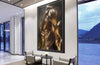
For interior designers, architects, and hospitality procurement teams, selecting artwork for a wellness space extends beyond decoration. The objective is to create a coherent visual identity that supports the purpose of the environment, whether it is a spa, fitness center, aesthetic clinic, hotel, or corporate wellness facility.
Although “energy healing wall art” is a phrase frequently used to describe artwork intended for contemplative spaces, no artwork should be presented as providing guaranteed therapeutic, medical, psychological, or energetic effects. The professional standard is to select fine art according to its artistic quality, symbolic depth, visual impact, and relationship with the surrounding architecture.
This checklist explains how to select and integrate limited-edition fine art photography into professional wellness and hospitality interiors.
Beyond Decoration: The Spatial Role of Fine Art Photography
In a professional interior, artwork can serve as a focal point, establish visual continuity, and contribute to the way visitors experience a space. Unlike generic decorative imagery, limited-edition fine art photography carries the distinctive visual language and artistic intention of its creator.
French fine art photographer Zack Zublena explores the human form through light, shadow, movement, and symbolism. His photographic collections can be considered by designers seeking an identifiable visual language for residential or commercial interiors.
Several factors determine whether an artwork is appropriate for a particular environment:
- Atmosphere: Color, composition, scale, and subject matter can contribute to a sense of tranquility, vitality, strength, or contemplation.
- Visual identity: A carefully selected collection can reinforce the design language of a single property or create consistency across multiple locations.
- Spatial coherence: The artwork should complement the architecture, furniture, materials, lighting, and primary sightlines.
- Personal interpretation: Symbolic imagery may invite reflection, but its meaning and effect remain subjective to each viewer.
The National Endowment for the Arts documents the broader intersection of arts, health, and well-being while emphasizing the importance of research when evaluating specific outcomes. This provides useful institutional context without suggesting that an individual artwork guarantees healing or improved well-being.
The Symbolism of Gold in Contemporary Design
Gold has been used in art for millennia for its luminosity, material qualities, rarity, and cultural significance. The Metropolitan Museum of Art documents the use of gold in ancient Egypt in jewelry, temple objects, funerary artifacts, and royal symbolism.
In contemporary interiors, golden tones may introduce warmth, contrast, luminosity, and visual richness. Their symbolism is not universal or fixed; interpretations vary according to culture, historical context, and personal experience.
Zack Zublena’s Golden Souls Collection explores the human figure through gold-colored body painting and fine art photography. The resulting images may serve as distinctive focal points in residential, hospitality, fitness, and wellness interiors.
An important material distinction must be maintained:
- The models are covered with gold-colored body paint before being photographed.
- The limited-edition photographic prints contain no physical gold or gold leaf.
- Only selected commissioned paintings may incorporate genuine 24-karat gold leaf by prior agreement with the artist.
The Golden Souls photographic collection does not contain physical 24-karat gold. Its golden appearance is created through body painting, lighting, composition, and photography.
The 2026 Checklist for Selecting Fine Art for Wellness Interiors
Successful art procurement requires a methodical assessment of the space, the brand, and the practical conditions of display. The following framework can be applied to a boutique wellness studio, a private clinic, a luxury hotel, or a multi-location fitness brand.
1. Define the Intended Visual Atmosphere
Begin by identifying how the space should look and function. A quiet treatment room requires a different visual approach from an active gym, a hotel reception area, or a corporate meditation room.
Rather than assigning a guaranteed emotional effect to an artwork, define objective design qualities such as:
- calm or dynamic composition;
- warm or cool color palette;
- minimalist or dramatic presentation;
- intimate or monumental scale;
- figurative or abstract visual language.
These criteria provide a practical foundation for comparing available artworks.
2. Assess the Architecture and Sightlines
Record the wall dimensions, ceiling height, viewing distance, nearby furniture, architectural features, and principal sightlines.
Consider where visitors first encounter the artwork and whether it will be viewed from a distance, while seated, or while moving through the space. A large lobby may accommodate a statement piece, while a corridor, consultation room, or treatment area may require a more intimate format.
There is no universal percentage that determines the correct artwork size. The final dimensions should be based on the specific architecture and desired visual impact.
3. Coordinate Color, Light, and Materials
Artwork should be considered alongside the room’s wall colors, flooring, furniture, textiles, metals, and lighting temperature.
Natural and artificial illumination can influence how the colors, contrasts, and details of a photograph are perceived. This does not mean that the photographic print is physically reflective. Lighting should be evaluated through photographs, plans, samples, or a site visit whenever possible.
4. Review Collections, Editions, and Presentation Requirements
Explore the Signature Collections to identify works whose themes and visual language support the project.
When reviewing limited-edition photography, consider:
- the relationship between multiple works;
- available dimensions;
- orientation and aspect ratio;
- edition size;
- print specifications;
- framing and mounting requirements;
- suitability for a single location or a coordinated multi-location project.
For additional information, consult The Collector’s Guide to Buying Fine Art Prints Online.
Framing, mounting, glazing, and installation specifications should be confirmed separately for each project with qualified professionals.
5. Create a Mockup and Plan Installation
A to-scale digital mockup can help evaluate dimensions, placement, surrounding colors, and sightlines before a purchase is finalized. It is a useful visualization tool, although it cannot reproduce every characteristic of the finished print or the actual lighting conditions.
For commercial projects, the procurement plan should also address delivery, handling, access, installation scheduling, wall construction, security requirements, and coordination between the gallery, design team, facilities manager, framer, and installer.
Fine Art Procurement for Multiple Locations
Multi-location projects require visual consistency and careful logistical planning. The objective is not necessarily to make every property identical, but to create a recognizable visual language that can adapt to different architectural conditions.
ZZGALLERY’s fine art photography has been installed as part of the interior decoration of more than 120 David Lloyd Clubs across the United Kingdom and continental Europe. This project involved photographic prints exclusively. It did not include original paintings, physical gold leaf, gemstones, framing services, installation services, or architectural design services.
The project demonstrates how Zack Zublena’s photography can be integrated consistently across multiple professional fitness and wellness locations.
For a new project, the availability of particular works, formats, quantities, and presentation options should be confirmed during consultation.
Designing for Professional Excellence
Fine art photography can contribute to the visual identity of a spa, resort, hotel, aesthetic clinic, fitness club, corporate environment, or other professional interior.
The selection should be based on the project’s architecture, scale, lighting, color palette, intended atmosphere, and operational requirements. A successful installation allows the artwork to feel integrated with the space rather than added as an afterthought.
Interior designers, architects, collectors, and procurement professionals may contact ZZGALLERY to discuss available limited-edition photography for a single location or a multi-location project.
Frequently Asked Questions
How does contemplative fine art differ from standard interior decor?
Limited-edition fine art photography is defined by its artistic authorship, concept, production specifications, and edition structure. Mass-produced decor is generally created for broad distribution and may not carry the same relationship to an individual artist’s practice.
Print materials, edition information, dimensions, and presentation specifications should be reviewed for each artwork. Framing and installation requirements should be confirmed separately with qualified professionals.
Can fine art photography be installed in humid spas or wellness centers?
Fine art photography requires special evaluation before installation in a high-humidity environment. Suitability depends on the photographic material, mounting, glazing, framing, ventilation, temperature, exposure to steam, risk of condensation, and distance from water sources.
The Library of Congress identifies relative humidity, temperature, light exposure, ventilation, and appropriate housing materials as important considerations in the care of photographic materials.
A qualified framing, conservation, or installation professional should assess the environmental conditions before installation. No framing method should be assumed to guarantee protection in every high-humidity environment.
Do Zack Zublena’s photographic prints contain genuine 24-karat gold?
No. The photographs depict models wearing gold-colored body paint, but the resulting photographic prints contain neither physical gold nor gold leaf.
Genuine 24-karat gold leaf may only be incorporated into selected commissioned paintings when specifically discussed and agreed with the artist.
What does the gold color signify in Zack Zublena’s photography?
Golden tones are used as an artistic and symbolic element. They may evoke luminosity, value, transformation, strength, reverence, or other personal and cultural associations.
These interpretations are not prescribed. Each viewer remains free to develop an individual relationship with the image.
How do I select the right artwork size for a commercial space?
The appropriate size depends on the wall dimensions, ceiling height, viewing distance, furniture, sightlines, architectural features, and desired visual impact.
Large reception areas may accommodate oversized works, diptychs, or coordinated groupings. Corridors and smaller rooms may be better suited to individual works in more intimate formats.
Measure the installation area and review photographs, elevations, or floor plans before determining the final dimensions.
Can ZZGALLERY assist with a multi-location project?
ZZGALLERY welcomes discussions with architects, interior designers, collectors, and procurement teams regarding the selection of available limited-edition photography for one or multiple locations.
The precise scope of any consultation, supply arrangement, presentation requirements, delivery, framing, or installation coordination must be confirmed for each project.
Discuss Your Professional Art Project
To explore limited-edition fine art photography for a wellness, hospitality, corporate, fitness, or residential interior, contact ZZGALLERY to discuss the project’s visual direction, scale, locations, and practical requirements.


