Article: Gold Body Paint Photography: Zack Zublena on Light and the Human Form
Gold Body Paint Photography: Zack Zublena on Light and the Human Form
Gold Body Paint Photography: Light, the Human Form, and Zack Zublena’s Art
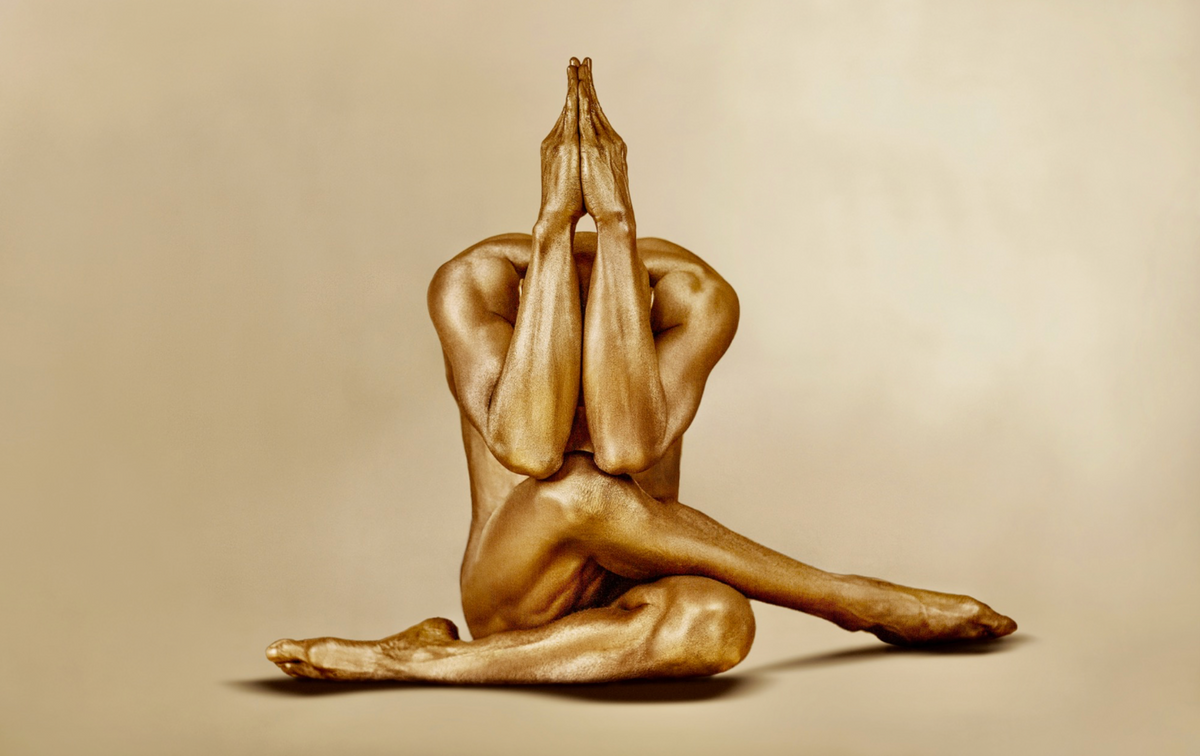
A gold figure can appear still, yet never feel static. In gold body paint photography, light gathers across the body, breaks into highlights, and gives form to shadow. What first appears to be a striking golden shape gradually reveals a human presence within it.
This distinction is central to Zack Zublena’s work. Reflective body paint, pose, composition, and controlled light make the figure feel sculptural without losing its humanity. Gold becomes a way to draw attention to strength, vulnerability, and presence.
For collectors, designers, and architects, the result is artwork with enough visual force to define a space and enough nuance to reward a closer look. Explore how a photographic work can be composed across a room in Zublena’s guide to fine art diptychs and triptychs.
Why Gold Changes the Photograph
Photography is an art of light, and reflective gold body paint makes the relationship between light and form especially visible. Carefully placed illumination catches the curve of a shoulder, the line of a hand, or the tension within a pose. Shadow gives those highlights depth.
A small adjustment in the performer’s posture or the direction of a studio light can change the composition. Zublena is photographing a real person whose body, movement, and expression shape the final image. This attention to human presence connects his practice to the broader tradition of photographic portraiture represented in the Smithsonian National Portrait Gallery and the National Gallery of Art’s photography collection.
Gold carries associations with ceremony, power, and permanence. Applied to a living body, those ideas become more personal. A figure may seem monumental from a distance while its gesture remains intimate up close.
The Physical Process Behind Gold Body Paint Photography
Each image begins with a real performer. Reflective gold-colored body paint is applied by hand, and Zublena directs the pose and lighting in front of the camera. The luminosity originates in that physical encounter between person, pigment, and studio light.
The body paint used in the photograph is not 24K gold. For selected finished artworks, hand-applied 24K gold leaf is also available as an option. This is a separate treatment of the finished piece, distinct from the reflective paint worn by the performer during the shoot. Collectors can ask about the available finish for a specific work through Zublena’s contact page.
Pose and lighting require patience. The paint must allow the body to move naturally; the performer must hold a gesture without losing its energy; and the lighting must reveal form without overwhelming it with glare. The performer is the living center of the image, not a decorative surface.
Light Is Composed in the Studio
Reflective paint can be unforgiving. Direct light may produce highlights that obscure the body’s contours, while light that is too broad can flatten its shape. Zublena uses illumination and shadow to give the figure structure.
A highlight can define the curve of a back or a collarbone. A darker area can create space around the torso. Together, these choices give the photograph its sense of depth before any print is made.
From Human Figure to Presence in a Room
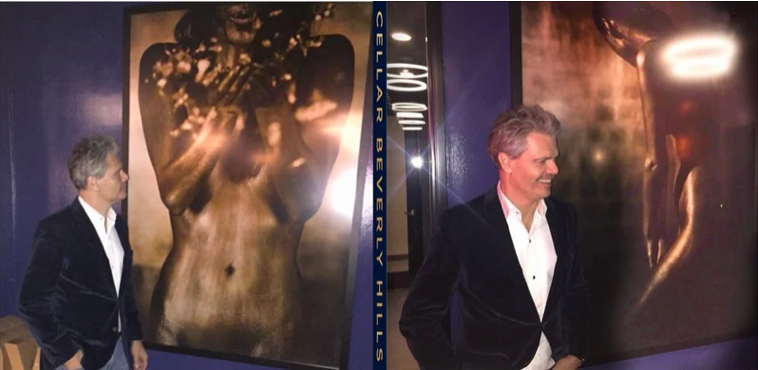
Once printed, the photograph enters a new setting. Its composition may feel quiet in one room and dramatic in another because viewing distance, surrounding materials, wall color, and illumination affect how we experience it. If a selected finished work includes hand-applied 24K gold leaf, that physical detail should also be considered when planning its display.
A large work can anchor an entryway, living space, or hospitality interior. A more restrained composition may suit a library, bedroom, or wellness setting. The American Institute of Architects’ guidance on integrated design offers a useful reminder to consider how people experience a space as a whole, while the American Society of Interior Designers’ research provides broader context for decisions about interiors and the people who use them.
Scale matters, but so does the route through the room. Will the artwork be seen immediately on arrival? Will someone encounter it at the end of a corridor or while seated? A successful placement gives the figure room to be seen at both a distance and up close.
For a finished photograph, display conditions also deserve care. The Library of Congress’s guidance on caring for photographs is a helpful starting point when discussing light exposure, handling, and framing with a qualified professional.
Beyond Luxury: What Gold Can Mean
Gold is often associated with luxury, but in Zublena’s photographs it can also suggest resilience, contemplation, or transformation. Covering the body in gold does not erase the person beneath it. The gesture, balance, and physical effort remain visible.
One viewer may see strength; another may find stillness or vulnerability. The image does not require a single interpretation. Its meaning develops through the encounter between the person photographed, the space where the work hangs, and the person looking at it.
Choosing a Work With Lasting Presence
Begin with the feeling you want the space to hold. A standing figure may bring verticality and resolve. A folded or seated pose can introduce intimacy. A darker composition may feel contained and dramatic, while a lighter one can bring openness.
Consider the architecture without choosing solely to match its colors. Gold can converse with plaster, stone, wood, deep blue, charcoal, and warm neutrals. It can also bring a human focal point to a minimal interior.
Whether you choose a photographic print or inquire about an artwork with optional hand-applied 24K gold leaf, consider the image first: the person, the gesture, and the light. Explore Zublena’s Golden Souls collection, or contact Zack Zublena to discuss a work for your collection or interior project.

Written by Zack Zublena