Article: Masquerade: Gold Fine Art Photography and the Art of Concealment
Masquerade: Gold Fine Art Photography and the Art of Concealment
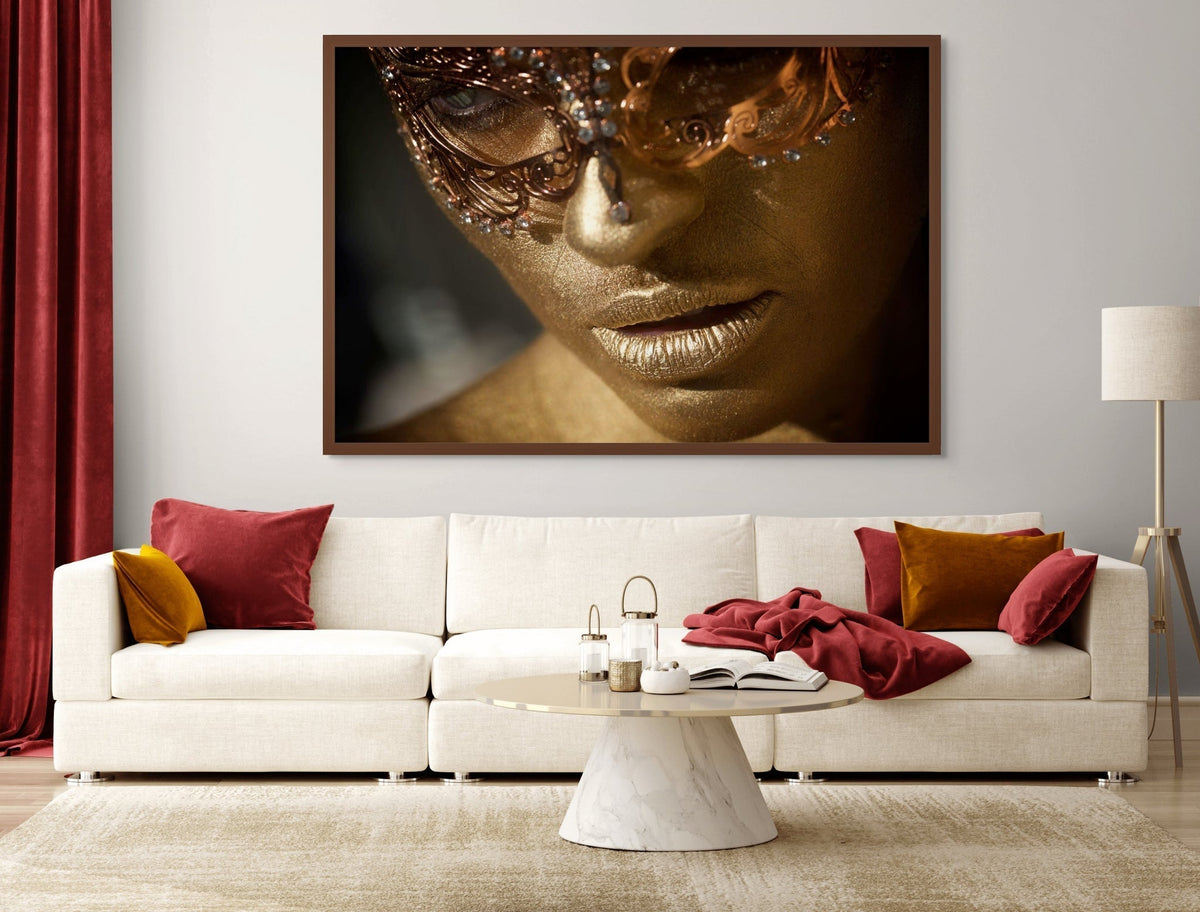
A mask changes the way we look at a face. It hides part of a person while drawing our attention more closely to what remains: an eye, a gesture, the shape of a shoulder. In Zack Zublena’s Masquerade collection, that tension meets the luminous presence of the gold-painted human body.
Zublena is a French-American fine art photographer based in Los Angeles. His images begin with real performers, reflective gold-colored body paint, masks, pose, and carefully directed light. The sculptural effect is made in front of the camera, without generative AI. The finished photograph contains no physical gold.
A mask without a borrowed history
The masks in Masquerade are part of Zublena’s visual language. They are not Venetian masks or historical antiques. Their role is to interrupt an otherwise direct encounter with the figure. A covered face can feel distant at first; the visible body, posture, and light bring the viewer close again.
That exchange between what is shown and what is withheld gives the photographs their pull. Gold catches the light, but the performer supplies the image’s presence. Even when a figure appears almost metallic, it remains recognizably human.
For a closer look at how Zublena works with body paint and photography, explore his Golden Ascension process.
Choosing a work for an interior
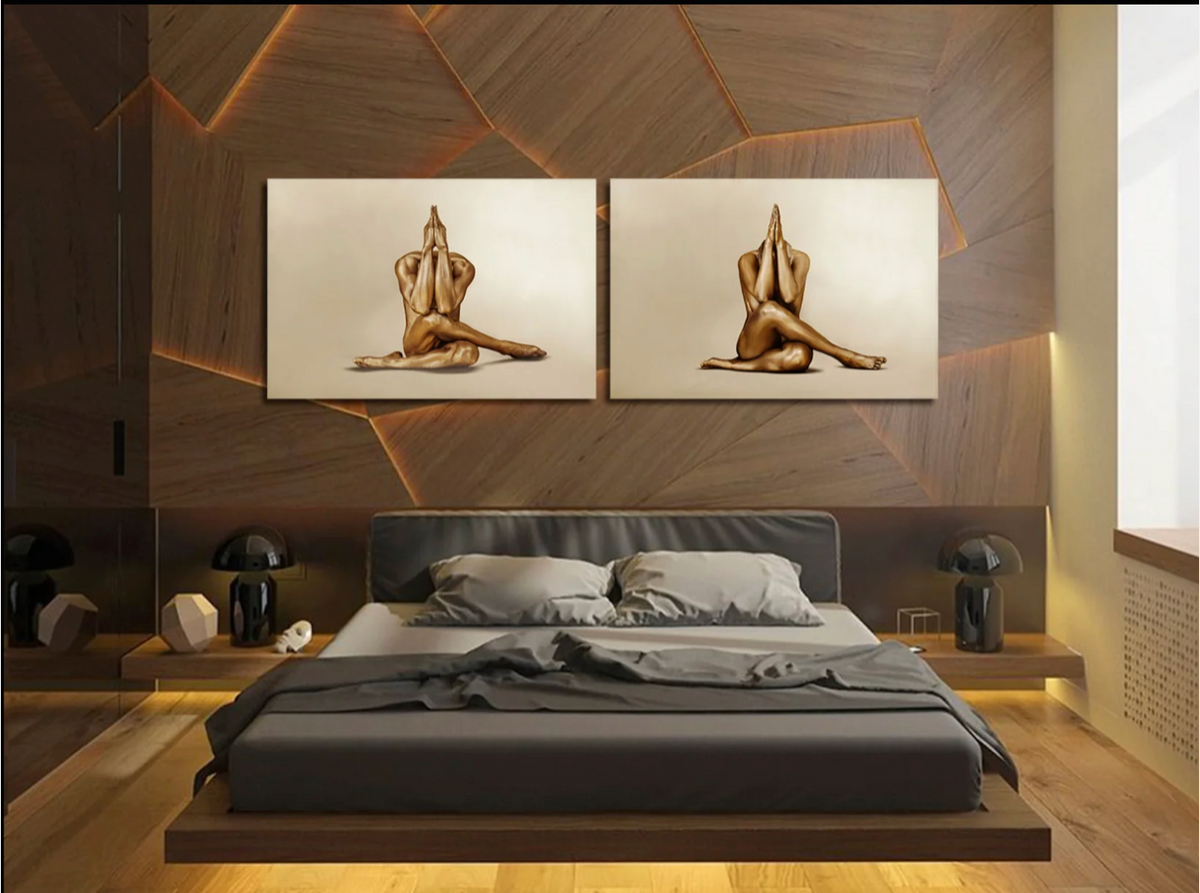
A Masquerade photograph can become the focal point of a room, but the strongest choice depends on the space around it. Before selecting a print, consider where a visitor first sees the wall, how far away they will stand, and whether the surrounding materials are quiet or visually busy.
A close portrait can create an intimate moment in a study or bedroom. A larger composition may have room to unfold in an entrance or lounge. View the available works and confirm dimensions on each listing in the Masquerade collection.
Light matters as much as scale. Try viewing a proposed location at different times of day, particularly if it receives strong sun or reflections from nearby windows. The Library of Congress recommends keeping framed works out of direct sunlight and intense light. The Smithsonian’s guidance for exhibiting photographs also shows why light exposure deserves attention when planning a display.
What to ask before buying a photographic print
The image is the starting point. A collector should also understand the object they will receive. Ask about the print’s exact dimensions, paper, printing method, edition, framing options, and delivery format for the particular work under consideration.
Those details affect both presentation and care. The Metropolitan Museum of Art’s photograph conservation department explains that photographic works encompass varied physical formats with different preservation needs. The Getty’s photographic materials resources offer further background on why the materials and process behind a print matter.
If you plan to frame an unmounted print, take the Library of Congress framing guidelines to a professional framer. Ask which materials are suitable for photographs and how the print will be kept from touching the glazing.
For a public venue, placement has an additional practical dimension. Framed artwork along a circulation route should be reviewed against applicable accessibility requirements; the US Access Board explains the rules for objects projecting from walls.
The presence behind the surface
Masquerade invites a second look. The gold first suggests an object or sculpture. Then the details of a living performer emerge: the angle of a head, the tension of a pose, the vulnerability that a mask cannot entirely conceal.
Explore Zack Zublena’s portfolio or browse the Masquerade collection to find a work that speaks to your space. For help choosing a photograph or size, contact Zack Zublena.

Written by Zack Zublena