The Principles of a Cohesive Fine Art Collection
A well-chosen set of artworks does more than simply decorate a room; it creates a dialogue, establishes a mood, and transforms a space into a personal gallery. While a single statement piece can define an area, a curated collection of fine art photography offers a unique opportunity to build a visual narrative. The goal is to achieve a sense of harmony where each piece contributes to a greater whole, creating an experience that is both sophisticated and deeply intentional.
This approach differs from a more eclectic gallery wall, where artworks may come from multiple artists, periods or visual traditions. Instead of a collection of disconnected images, a thoughtfully curated art set is unified by a shared aesthetic, theme, or feeling. The works exist in conversation with one another, guiding the eye through the space and inviting contemplation. This sense of continuity is what distinguishes a personal collection from mere wall coverings, turning your home or commercial space into a reflection of a singular artistic vision.
Establishing a Visual Theme
The foundation of any cohesive art set is a unifying visual thread. This common element can take many forms, allowing for significant creative freedom while maintaining a sense of order. The simplest way to achieve this is by selecting works that share a dominant color palette. For example, a series of prints featuring warm, luminous tones can introduce a feeling of serenity and light, while a collection built around deep, contrasting shadows can create a more dramatic and introspective atmosphere.
Another effective strategy is to choose pieces with a common subject matter or compositional style. A set of portraits, abstract forms, or nature-inspired images can provide an immediate sense of connection. Similarly, artworks that share a similar approach to light, texture, or perspective will naturally feel related. The collections at ZZGALLERY offer a clear example of this principle, where each series of fine art photographs is bound by the artist’s distinct perspective, making it an excellent starting point for building a unified display.
The Impact of Scale and Arrangement
Once you have a selection of artworks, their physical arrangement is crucial to their collective impact. Before hanging, consider the architecture of the room, including wall dimensions, ceiling height, and the placement of furniture. A large, open wall can accommodate a grid of several medium-sized pieces or a single, oversized photograph flanked by smaller works. In contrast, a narrow corridor or a small alcove may be better suited to a vertical arrangement of two or three smaller prints.
Symmetrical arrangements, such as a perfect grid or a horizontal line of identically sized frames, create a feeling of formality, balance, and order. This classic approach works well in dining rooms, entryways, and professional settings. For a more dynamic and organic effect, consider an asymmetrical or salon-style hang. This method involves grouping artworks of various sizes and orientations, balanced by eye rather than by precise measurement. Whichever style you choose, ensure there is adequate “breathing room” between each piece. Proper spacing prevents the wall from feeling cluttered and allows each artwork to be appreciated individually while contributing to the overall composition.
A Practical Guide to Selecting and Combining Artworks
When considering art sets for sale or assembling your own grouping, begin by defining the purpose and atmosphere of the space. Are you designing a tranquil retreat for rest and reflection, a vibrant social hub for entertaining guests, or a focused, inspiring professional environment? The atmosphere you wish to cultivate will guide your selections, helping you choose pieces that not only complement your decor but also support the room’s purpose.
Fine art photography, with its ability to capture both precise detail and profound emotion, is a particularly versatile medium for building a collection. Whether abstract or figurative, a photographic print can introduce texture, depth, and a distinct point of view. When selecting pieces, it is always advisable to check individual product pages for confirmed details on available formats and materials to ensure they meet the specific needs of your project.
Curating from a Single Collection
Drawing artworks from a single, established collection is the most direct path to achieving visual harmony. An artist creates a collection around a central theme or aesthetic, ensuring that every piece within it is inherently related. This shared origin often creates a consistent relationship between colour, tone and composition.
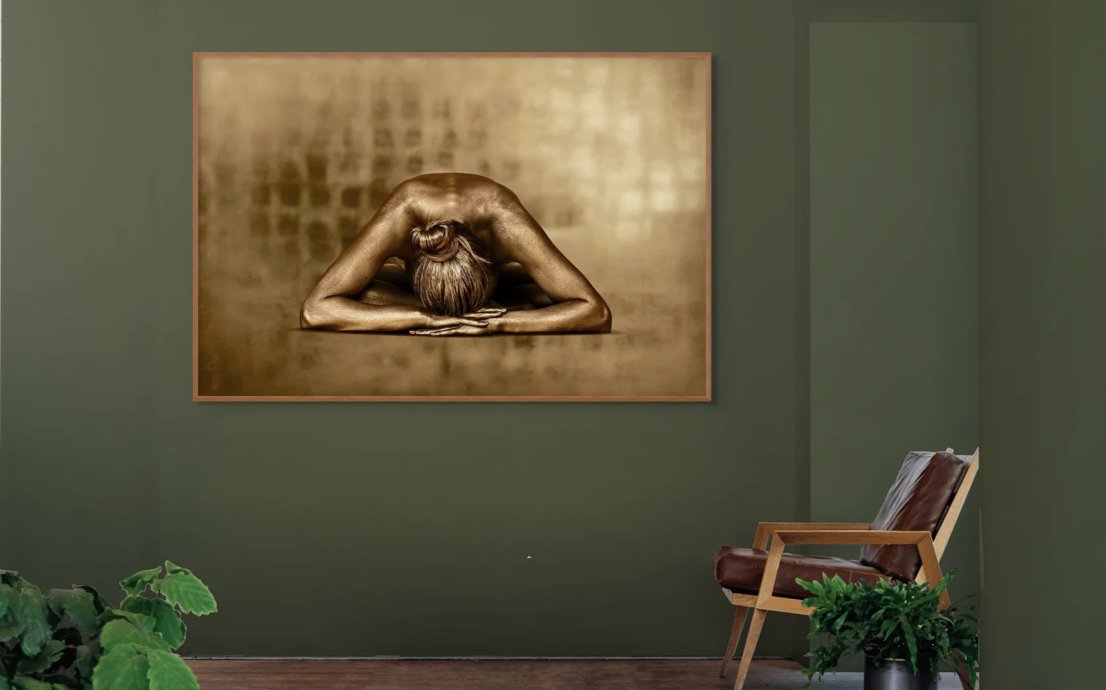
For instance, the Golden Souls Fine Art collection is characterized by its warm, ethereal light and flowing forms, making it suitable for spaces intended to feel bright and serene. In contrast, the Dark Elegance collection explores the interplay of shadow and light, employing dramatic contrast and deeper tones to create a powerful, contemplative mood. By selecting multiple works from a series like these, you can easily build a display that feels coherent and complete.
Mixing Artworks from Different Collections
Combining pieces from different collections offers an opportunity to create a more layered and personal narrative, but it requires a discerning eye. The key to success is to identify a common element that ties the disparate works together. This could be a subtle, recurring accent color, a similarity in scale, or a complementary emotional tone.
For example, you might pair a figurative piece from the Holy Collection with a work from another collection that shares its graceful composition, tonal palette or use of light. The goal is to create a visual bridge between the artworks, allowing them to enhance one another rather than compete for attention. This thoughtful process of mixing and matching allows you to build a truly unique set that reflects your individual taste. To see how different series relate, you can explore the collections at ZZGALLERY and identify potential pairings.
Finalizing Your Curation: Framing, Lighting, and Placement
The final details of presentation can elevate a group of fine artworks into a truly stunning installation. Thoughtful framing, strategic lighting, and careful placement are essential for protecting your collection and displaying it to its full potential. These practical considerations ensure that the technical aspects of the display are as refined as the art itself.
The Role of Framing
Frames serve both to protect the artwork and to integrate it into your interior design. While it is not necessary for every frame in a set to be identical, they should be coordinated in terms of style, color, or material. For a clean, contemporary look, consider simple gallery frames in black, white, or a natural wood finish. This minimalist approach places the focus squarely on the artwork.
If your decor is more traditional or eclectic, you might choose frames with more detail, but aim for a consistent finish to maintain a sense of unity. A cohesive framing strategy helps the eye perceive the artworks as a deliberate group, reinforcing the visual narrative you have worked to create.
Illuminating Your Collection
Lighting is one of the most critical elements in displaying art. The right light will bring out the color, detail, and texture of each piece, while the wrong light can cause damage or wash out the image. The first rule is to avoid hanging fine art prints in direct sunlight, as prolonged exposure can cause fading over time. When choosing a location, consider how natural light moves through the room during the day.
For artificial lighting, several options are available. Adjustable track lighting allows you to direct focused beams onto each piece, while individual picture lights mounted above each frame offer a more classic and intimate feel. Even well-placed ambient lighting from floor or table lamps can create a warm, inviting atmosphere for viewing your collection in the evening.
A Note on the Artist’s Vision
Ultimately, curating a fine art collection is about connecting with an artist's vision and making it a part of your daily life. Zack Zublena’s fine art photography, for example, has been chosen for sophisticated interiors across the globe, including installations in more than 120 David Lloyd Clubs throughout the United Kingdom. This demonstrates how a cohesive body of work can be used to establish a distinct atmosphere in both commercial and residential spaces.
For those seeking to create a deeply personal centerpiece for their collection, ZZGALLERY also offers the Gold Body Painting and Fine Art Photography Experience, a separate service where the artist creates a series of unique photographic portraits. Whether you are selecting from existing collections or commissioning a personal piece, the journey of curating art is a rewarding one. To discuss your project or seek advice on selecting the right works for your space, please contact the gallery.