Limited Edition Art Prints for Luxury, Hospitality and Wellness Spaces
What if the defining element of a luxury interior were not another piece of furniture, but an image capable of establishing the emotional identity of the entire space?
In hotels, spas, wellness centers, private clubs and refined residences, art should do more than fill an empty wall. It can guide attention, create a sense of arrival and give the environment a distinctive visual presence. Where mass-produced decoration often disappears into the background, carefully selected limited edition art prints can become enduring focal points that guests and residents remember.
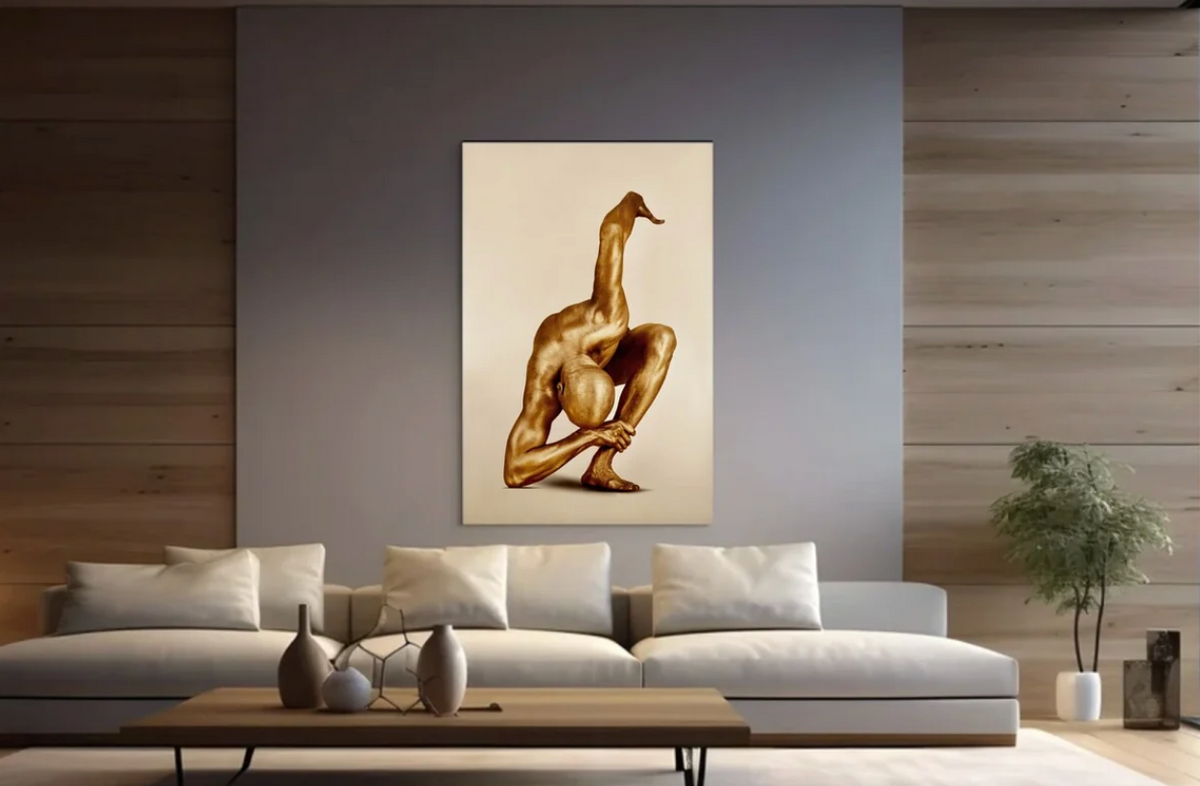
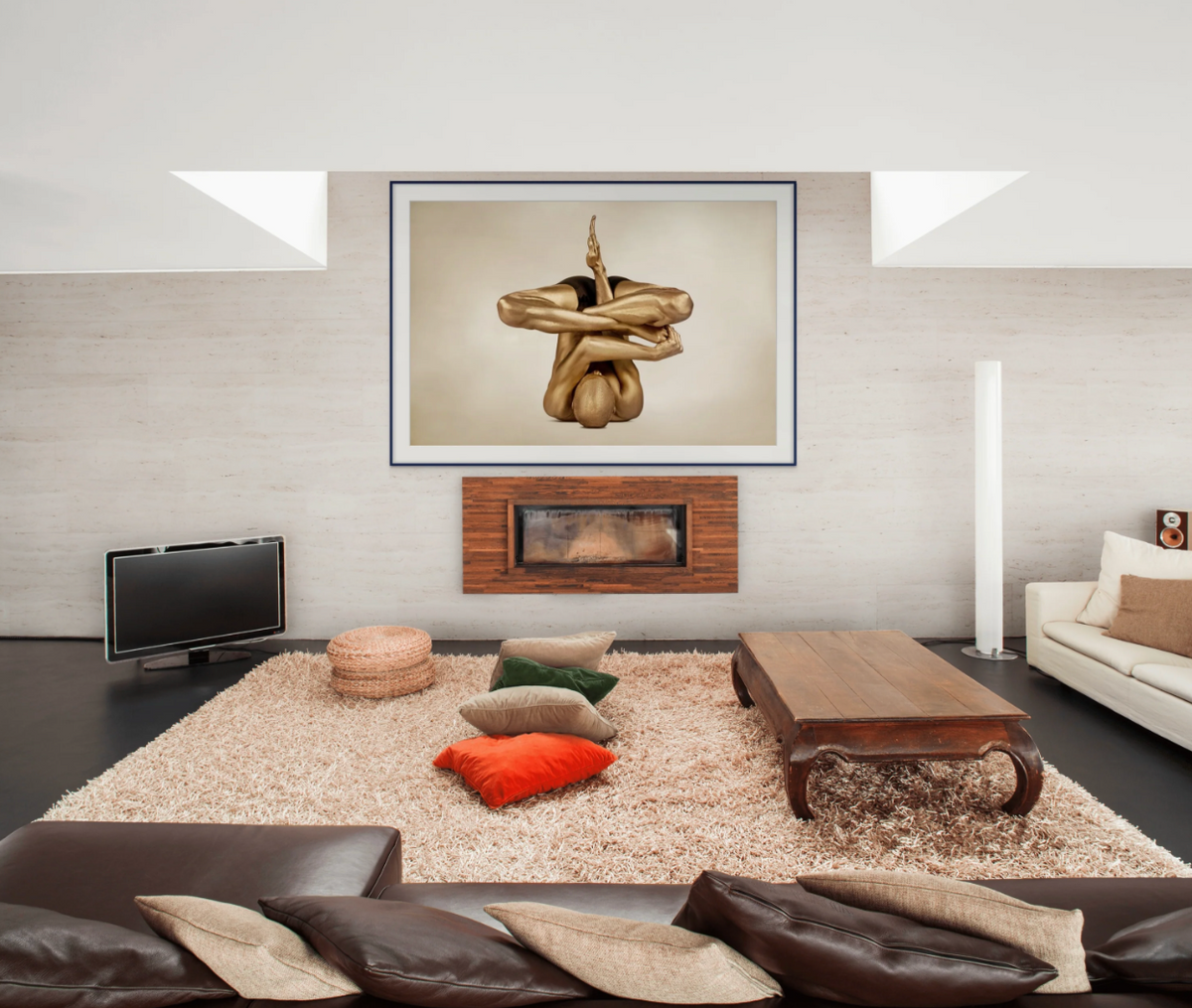
For interior designers, architects, hospitality groups and private collectors, choosing the right artwork involves balancing scale, material quality, atmosphere and authenticity. This guide explores how to select limited edition fine art photography for sophisticated interiors—and how Zack Zublena’s gold-painted human figures can introduce light, symbolism and sculptural presence without overwhelming the architecture around them.
What Makes a Limited Edition Art Print Distinctive?
A limited edition is produced in a predetermined quantity rather than printed indefinitely. Each work within the edition should be clearly identified, typically through numbering, documentation or the artist’s signature. Once the edition has been completed, no additional prints should be produced in that same format and edition.
This finite structure gives the collector a more direct relationship with the artist’s practice. It also provides designers and procurement teams with a level of distinction that mass-produced wall decor cannot offer. Limited edition status does not guarantee future financial appreciation, but it does establish scarcity, authorship and clearer provenance.
Selected works by Zack Zublena are offered in a limited series of only 15 editions, creating a deliberately intimate relationship between the image, the collector and the environment in which it is installed.
Limited Edition Art Versus Mass-Produced Decor
- Availability: Limited editions are produced in a fixed quantity; mass-produced decor may remain in production indefinitely.
- Authorship: Fine art editions maintain a direct connection to an individual artist and a defined body of work.
- Documentation: Edition numbers, signatures and supporting information help establish authenticity and provenance.
- Visual identity: A distinctive artwork can become part of a property’s recognizable character rather than functioning as interchangeable decoration.
- Long-term care: Professionally produced photographs require informed framing, placement and protection from excessive light and humidity.
Gold Fine Art Photography Without Physical Gold
Zack Zublena’s gold fine art photography begins with real people, performance and practical transformation. The human subjects are painted with reflective gold body paint and photographed under carefully controlled lighting. Their bodies are shaped through movement, tension and composition until they appear almost sculptural.
The resulting photographic prints do not contain physical gold, gold leaf or gemstones. The luminous gold effect is created during the original photographic process through body paint, light and the physical presence of the performer. This distinction is essential: the work is not an image of a digitally invented figure, nor is its radiance produced by adding precious metal to the final print.
By removing familiar markers of identity and emphasizing gesture, anatomy and reflected light, the photographs allow the body to move between the human and the symbolic. Gold becomes a visual language of inherent value, transformation and presence.
You can explore this visual language through the Golden Souls fine art photography collection. For works built around shadow, bronze tones and quieter intensity, discover the Dark Elegance collection.
Why Art Matters in Luxury Wellness and Hospitality Interiors
Successful hospitality design is not created through isolated objects. Architecture, lighting, materials, circulation and artwork must contribute to a coherent experience. The Art in Architecture Program of the U.S. General Services Administration provides an important institutional example of this principle: art is integrated into architecture to strengthen the meaning and cultural identity of a building.
In wellness environments, visual art can also support attention, reflection and the emotional character of a space. The National Endowment for the Arts documents research and initiatives examining the broader relationship between the arts, health and well-being. This does not mean that a photograph should be presented as a medical treatment. Rather, it recognizes that thoughtfully designed cultural and visual experiences can contribute to how people encounter and perceive an environment.
Zack Zublena’s photography has been installed within the interiors of more than 120 David Lloyd Clubs across the United Kingdom and Europe. This extensive placement demonstrates how a distinctive body of work can function across multiple locations while retaining its visual strength and intimate character.
For a closer look at this international installation history, read From Studio Vision to 120+ David Lloyd Clubs: Zack Zublena’s Fine Art in International Interiors.
How to Select Limited Edition Art for a Professional Interior
1. Begin With the Purpose of the Space
A hotel entrance, meditation room, treatment suite and private residence require different kinds of visual presence. Before selecting an artwork, define what the space should communicate. Should it feel grounding, contemplative, mysterious, energizing or ceremonial?
The artwork should reinforce that intention without competing with the function of the room.
2. Evaluate Scale and Sightlines
A work viewed from across a lobby requires a different scale from one encountered at close range in a private treatment room. Consider the wall dimensions, viewing distance, ceiling height and the architectural lines surrounding the proposed installation.
A large-format photograph can establish a commanding focal point, while a smaller edition can create a more intimate moment of discovery. A curated group or diptych can guide the eye through a corridor or across a wider architectural surface.
3. Study the Light Before Choosing Placement
The gold appearance in Zack Zublena’s images responds visually to the surrounding palette and illumination. Warm architectural lighting can emphasize bronze and amber tones, while cooler environments may heighten the contrast between the figure and the background.
Direct sunlight should nevertheless be avoided. The National Gallery of Art’s guidance on photograph conservation explains that excessive exposure to light, heat, humidity and pollution can affect photographic materials over time. Professional framing and thoughtful placement help protect the work while preserving its intended visual impact.
4. Align the Artwork With the Material Palette
Gold-toned photography can complement stone, dark wood, brushed metal, plaster, linen and other tactile materials often found in high-end hospitality and wellness design. The goal is not to match every color literally, but to create a deliberate relationship between the artwork and the room.
For spaces centered on contemplation, spirituality or personal transformation, explore Luxury Spiritual Wall Art: A Fine Art Photography Guide.
5. Confirm Edition and Production Details
Before purchasing a limited edition print, confirm:
- The total edition size
- The dimensions of the photographic image and finished work
- The printing surface and production method
- Whether the work is signed and numbered
- Whether documentation accompanies the print
- Whether framing or mounting is included
- The recommended display and care conditions
These details are particularly important for architects and procurement teams coordinating installations across several locations.
Art Procurement for Multi-Location Projects
Hospitality and wellness brands with multiple properties often need a visual identity that feels consistent without becoming repetitive. A curated selection drawn from one artistic practice can create continuity across locations while allowing each site to retain its individuality.
Zack Zublena collaborates with designers, architects and professional buyers to identify works that correspond with the dimensions, sightlines and atmosphere of a project. The studio does not provide complete architectural or interior design services. Instead, it contributes focused artistic guidance, helping project teams select photographs that strengthen their existing design vision.
This approach can be applied to a single boutique spa, a private meditation room, a hotel suite or a multi-location wellness and fitness portfolio. Depending on the project, the selection may include a single statement work, a coordinated group of prints or a visual sequence designed for several connected spaces.
Creating a Lasting Visual Identity
The most memorable interiors are not defined by expense alone. They are shaped by clarity, intention and the relationship between every element in the room. A carefully selected limited edition photograph can establish that relationship by bringing the human figure, reflected light and symbolic meaning into conversation with the surrounding architecture.
Zack Zublena is a French multimedia artist and fine art photographer working across staged photography, performance, film and painting. His photographic practice uses real people and practical transformations rather than AI-generated figures. Through reflective gold body paint, controlled light and physical performance, the human body becomes a sculptural presence that explores identity, perception and transformation.
To learn more about the artist and his practice, visit the About Zack Zublena page.
If you are sourcing limited edition art for a hotel, wellness center, fitness club, residential project or private collection, contact Zack Zublena directly to discuss your space, preferred collection, dimensions and installation requirements.
Frequently Asked Questions
What Is a Limited Edition Art Print?
A limited edition art print belongs to a predetermined and finite production run. Each print is generally numbered and may be signed or accompanied by documentation identifying the artwork and edition. Once that edition is complete, no additional prints should be created within the same stated edition and format.
Do Zack Zublena’s Photographic Prints Contain Real Gold?
No. Zack Zublena’s photographic prints contain no physical gold, gold leaf or gemstones. The gold appearance is created by painting real human subjects with reflective gold body paint and photographing them under controlled lighting. Some separate original paintings by Zack Zublena may incorporate materials such as 24-karat gold leaf or gemstones, but those materials are not present in the photographic prints.
Why Choose Limited Edition Art for a Commercial Interior?
A limited edition gives a commercial space access to a finite work associated with a specific artist and artistic practice. It can help distinguish the property from interiors that rely on widely distributed decorative imagery. The artwork may also contribute to a more coherent and recognizable visual identity across one or several locations.
Can Artwork Be Selected for Several Properties?
Yes. A coordinated group of works can be selected for multiple hospitality, fitness or wellness locations. The aim is to preserve a consistent artistic language while considering the scale, lighting, architecture and function of each individual site.
Can a Limited Edition Print Be Customized?
The artwork itself remains part of its defined edition, but available dimensions, presentation options and placement recommendations may vary. For a completely personalized artwork, private clients and professional teams can also inquire about a separate commissioned project.

Written by Zack Zublena